
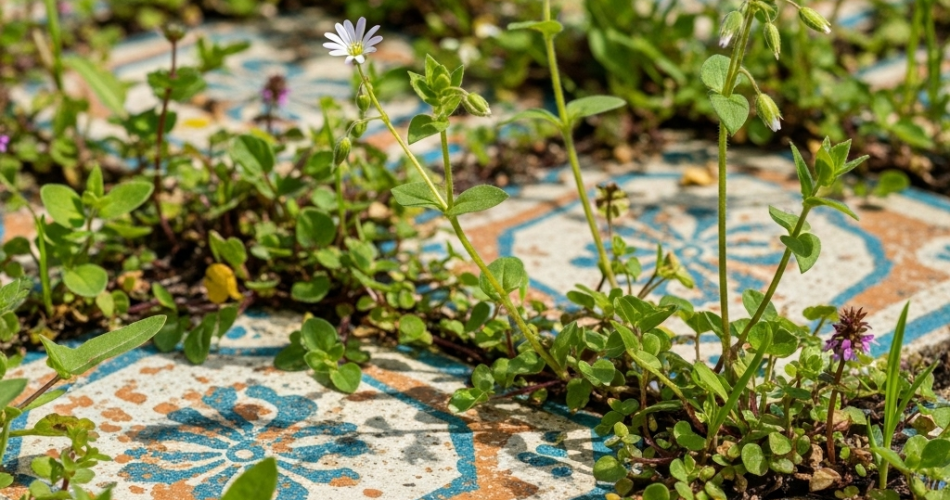
If you’re tired of stubborn moss and weeds invading your paving stones, here’s a game-changing solution: vinegar—a kitchen staple you already have. This natural method can dissolve both moss and weeds, including their roots, without resorting to harsh chemicals or expensive tools.
Why Vinegar Works
Vinegar contains acetic acid, which breaks down the cell structure of moss and weeds. When applied directly, especially in higher concentrations (5–20%), it kills vegetation on contact by desiccating leaves and damaging root systems. Be cautious: while effective, it’s non‑selective and can harm surrounding plants or alter the pH of nearby soil .
Step‑by‑Step Application Guide
-
Sweep and Prepare
Begin by clearing loose debris from the paving. A clean surface ensures the solution reaches the moss and weed roots effectively -
Mix the Solution
-
For light growth, mix one part white vinegar with one part water (1:1).
-
For tougher infestations, use undiluted or 6–20% horticultural vinegar
-
Add a teaspoon of dish soap to help the solution cling to leaves
-
-
Apply Carefully
-
Use a spray bottle or pour directly—target only the weed and moss areas, avoiding lawns and nearby garden beds
-
Do this on a dry, calm day, as rain or wind can dilute or spread the solution
-
-
Let It Work
-
Leave the solution to sit: about 30 minutes for water-diluted vinegar, up to a few hours or overnight for full-strength or higher concentrations
-
Garden experts suggest waiting 10–30 minutes with regular strength, or several days with more diluted mixes
-
-
Scrub and Rinse
-
Scrub with a stiff brush after the waiting period.
-
Follow by rinsing with clean water or a garden hose to clear debris
-
Refill any sand in paving joints if it’s been washed away .
-
Adding Boiling Water for Extra Power
Combine heat with acidity:
-
Pour boiling water over moss or weeds and scrub after a few minutes
-
For particularly stubborn roots, pour boiling water directly into joints after vinegar .
This dual-action method kills cells both with acidity and heat.
Other Natural Options to Consider
-
Baking soda: Sprinkle on moss, let sit overnight, and sweep away
-
Soda crystals (washing soda): Mix with warm water, apply, leave five hours, then rinse .
-
Salt: Use sparingly along with vinegar (e.g., 1 cup salt per gallon of vinegar) to dehydrate roots—but be cautious, as salt can damage stone and nearby plants
Warnings and Best Practices
-
Avoid damaging limestone, sandstone, or concrete pavers, which are susceptible to acid etching .
-
Vinegar is non‑selective and may harm any plant it touches, so restrict application to the target zone
-
Avoid using pressure washers on sanded pavers—they can erode joint sand and destabilize the surface
Long-Term Maintenance Tips
-
Reapply regularly: Every few weeks during growing seasons keeps regrowth at bay .
-
Improve sunlight and drainage: Trim overhanging foliage to reduce shade and moisture—moss thrives in damp, dark conditions .
-
Refill joints: After cleaning, add polymeric or kiln-dried sand to joints to prevent seed germination .
Moss Removal Success: A Quick Recap
-
Sweep paving clean.
-
Apply vinegar solution; add dish soap for better adhesion.
-
Wait 30 minutes to overnight, depending on strength.
-
Scrub with a stiff brush.
-
Rinse, refill joints, and allow to dry.
-
Optionally, pour boiling water for persistent roots.
Final Takeaway
Using vinegar—especially when paired with boiling water—offers an affordable, natural, and effective method to eradicate moss and weeds from paving stones, roots and all. It avoids harsh chemicals, is easy to apply, and uses everyday pantry ingredients. For tougher infestations, supplement with baking soda, soda crystals, or salt. With consistent upkeep—like removing debris, ensuring proper drainage, and reapplying as needed—you can keep paving stones clean, safe, and visually appealing for years to come.
Naturally effective, easy to do, and satisfying to see your paving come back to life: this simple routine makes outdoor cleaning feel almost effortless.


